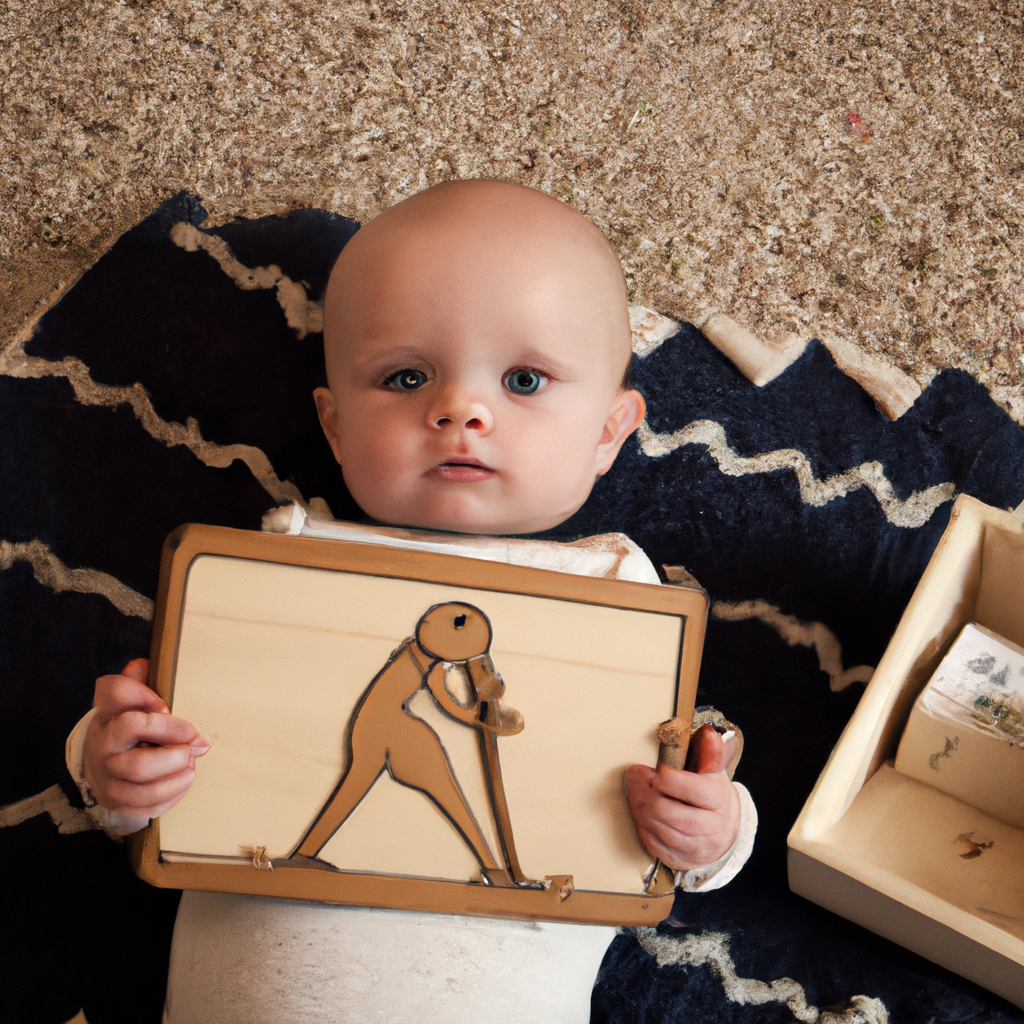
The curiosity that comes naturally to babies and young children can soon wilt – but there are ways to help it grow
When Susan Engel sat in on suburban elementary-school classrooms in the United States, looking for curiosity, she found ‘a surprising absence of it’, she wrote in 2013.
Engel, a psychologist at Williams College in Massachusetts, set out to record ‘curiosity episodes’. These included any time a child asked a question (from Where is Sudan? to When is recess?); gazed at something, such as the classroom’s fish tank; or investigated an object with their hands. In the kindergarten classes, she found only two to five episodes of curiosity over a two-hour period.
The kids weren’t sitting around doing nothing: they were learning the sounds of letters or how weather works. But they weren’t actively enquiring about what they were learning, or probing their surroundings. In one fifth-grade classroom, two hours passed without a single question.
Anyone who has spent time with children knows that, in earlier phases of life, namely around preschool age, they are often teeming with questions. Studies that have attempted to quantify just how many have given estimates like 25 questions an hour, or a question every two minutes, when children are at home. But when children enter the school system, this well of questions can begin to dry up.
‘Nearly every six-month-old is curious. There’s not much you need to do to get them to be curious,’ Engel tells me. ‘But by the time students are six or so, some of them are less curious.’ It’s not because curiosity is a finite resource; it could be because adults are not giving it the nutrients it needs to grow. Sometimes, Engel observed, when young students did ask questions, teachers would dismiss them in order to adhere to the lesson plan. A better appreciation of how curiosity works, and how to reliably provoke it, could help children – and the rest of us – maintain the thirst for knowledge.